Dental Anesthesia is given before the treatment to manage pain or sedate a nervous or anxious patient. It is hard to undergo most of the dental treatments without dental Anesthesia. Occasionally patients undergo general anesthesia, in which drugs cause a temporary loss of consciousness. However, this type of sedation is rarely used whether you have severe dental anxiety.
Sometimes medical procedures are necessary to maintain your health and also oral health. Anesthesia is inherent to more involved procedures, whether it is about treating normal health or oral health. And when properly carried out, it’s not a point of concern. But some people do suffer from side effects associated with dental anesthesia. Let’s have a look into types of dental anesthesia and why people don’t respond to it well.
What are the types of Dental Anesthesia?
Anesthesia is nothing but loss of sensation with or without consciousness. However, in this present era, there are many options available for dental anesthetics. The type of anesthesia used also depends on the age of the person, health condition, negative reactions to anesthetics in the past, and length of the procedure. However, dental anesthesia works in different ways depending on the treatment. Anesthesia works by short-acting when applied directly to the area. At the same time, it works for long times when surgery is required.
Local Anesthesia
Local Anesthesia is a common method of pain control used for dental procedures. Because it requires a shorter time to complete and also less complicated. However, you will be able to communicate and be conscious when you get local anesthesia. Consequently, the area will be numb, so you can’t feel pain. Most of the local anesthetics take 10 minutes and last for 30-60 minutes and sometimes a couple of hours. Local anesthetics are available in gel, cream, patch, liquid, ointment, spray, and injectable forms.
Articaine, lidocaine, prilocaine, bupivacaine, mepivacaine are examples of Local Anesthesia.
General Anesthesia
General Anesthesia is mainly for long procedures. This makes you completely unconscious, your muscles will be relaxed, have no pain, and you will have amnesia from the procedure. The level of anesthesia depends on the procedure and the individual patient. However, there are also some different risks from general anesthesia.
Some of the General anesthesia medications are ketamine, diazepam, methohexital, nitrous oxide, etomidate, propofol, isoflurane, midazolam, etc…
Side effects of Dental Anesthesia
Side effects of Dental Anesthesia depend on the type of anesthesia used. After the anesthesia the patient’s subjects to numbness, and after the anesthesia wears off, the numbness dissipates.
Some more side effects associated with anesthesia medications include,
- Headache
- Drowsiness
- Sweating or shivering
- Tiredness and Numbness
- Vomiting and Nausea
- Low or high Blood pressure
- Hallucinations and Confusion
- Blurred vision
- Lockjaw
- Unable to blink
- Nerve damage
- Slow and racing heart rate
Risks associated with Dental Anesthesia
Most people don’t experience adverse reactions to local anesthesia. There are higher risks of general anesthesia especially in older adults with oral health complications. The risks of anesthesia include
- Coma
- Heart failure
- Low blood pressure
- Seizures
- Allergic reaction
- Stroke
- Stopping breathing
- Heart attack
Hence, Side effects are inevitable in any kind of procedure. Also, the side effects which may occur in rare conditions are managable. However, the thought of Anesthesia makes patient Anxious. So, being confident and comfortable while procedure and Clearing mindedness regarding procedure before Anesthesia made less anxious, there by reducing risks and side effects of Anesthesia.
Sky Dental hospital in Vijayawada provides high-quality dentistry & also artistic skills that can improve a person’s health, smile, and confidence. Sky Dental Provides services like Root canal treatment, Gum Treatment, Implants, Oral and Maxillofacial Surgery, Full mouth Rehabilitation and much more. Apart from this, there is a separate ward for any dental problems related to Children
Dental Anesthesia is given before the treatment to manage pain or sedate a nervous or anxious patient. It is hard to undergo most of the dental treatments without dental Anesthesia. Occasionally patients undergo general anesthesia, in which drugs cause a temporary loss of consciousness. However, this type of sedation is rarely used whether you have …
Dental Anesthesia Side Effects And Causes For Treatment Read More »
Did your doctor suggest you for dental implants? Are you happy with the choice of implant that you have preferred? To ease out the task of selection, continue reading the different types of dental implants that are prevailing in the market. A dental implant is pure titanium which can easily fit to the bone situated …
WHAT ARE THE MAJOR TYPES OF DENTAL IMPLANTS AVAILABLE? Read More »
Bad Breath is the most uncomfortable feeling and unpleasant situation in a social interaction. Medically, Bad Breath is known as Halitosis, and it can make people self conscious and embarrassed while talking to others. However, we all get a fout breath when we eat some foods like garlic and onion. And this breath goes away …
Simple Ways to Get Rid of Bad Breath At home Read More »
The Right way to Brush your teeth takes at least two minutes i.e., 120 seconds! Even though we have been brushing our teeth for years, many of us are surprised to learn that we are not doing it properly. How do we Brush our Teeth? Brushing your teeth is an important part of your daily …
What is the Right way to Brush our Teeth? Read More »
What are Epstein Pearls? Epstein Pearls are tiny white or yellow bumps on the roof of a baby’s mouth. Clinically, these are known as Palatal Cysts, Gingival Cysts or Dental lamina cysts. These harmless cysts mostly develop in newborns during the early stage of their growth. The bumps carry keratin i.e., a protein that occurs …
Epstein Pearls – Causes, Symptoms and Treatment Read More »
A child’s dental care routine begins from the time kids are infants and developing their first teeth. Also their oral care routine might not be the same as grown-ups. It’s essential to comprehend what they need, and when, to assist them with growing stronger and healthier teeth. Toothbrushes are more suitable for cleaning the primary …
THE RIGHT DENTAL CARE FOR CHILDREN Read More »
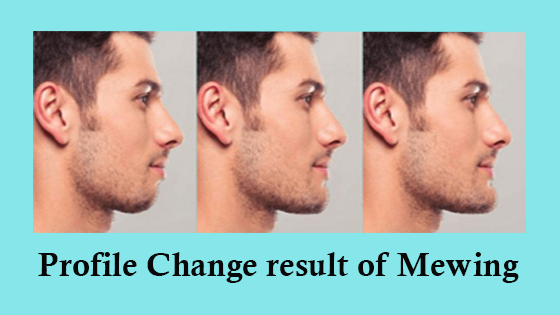
Mewing is a new concept that has drawn a lot of attention in recent times. Mewing is adjustingyour oral stance in certain ways to improve your face shape. It includes preparing your tongue torest in a specific stance with the goal that it turns out to be a part of your muscle memory. HOW IS …
WHAT IS MEWING? Read More »
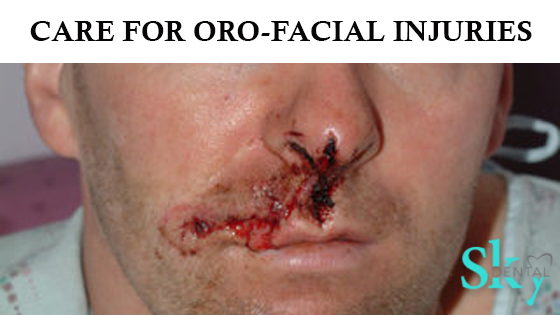
Oro-Facial injuries related to dentistry that involves oral cavity and surrounding facial structures. The most common oral facial injuries include soft tissue injury, and hard tissue injury which includes the teeth and facial bones. Oral Facial injuries have possibilities to cause disfigurement and loss of function. For example, blindness or difficulty moving the jaw can …
Care for Oro-Facial Injuries Read More »
The term ‘Root Canal’ can refer to as the inner part (passage) of the tooth between the pulp and the tooth roots. The root canals contain nerves and blood vessels. Once an adult tooth have emerged, the only purpose the nerves sense is reacting to the stimuli. Hence, in the procedure of Root Canal Treatment, …
How Do I Know If I Need A Root Canal Treatment? Read More »
Why your oral health is important? A healthy mouth and infection free teeth and gums are the foundation in maintaining your overall health. So diseases in your oral cavity may also affect the other parts of your body. Similarly, proper care of your oral health results in avoiding health problems. Consequently, regular preventive steps like …
How does Oral health affects on others parts of body? Read More »