The dangerous gum infection known as periodontitis disease usually known as “gum disease,” damages the soft tissue and, if untreated, can damage the bone that supports your teeth. Periodontitis can lead to tooth loss or loose teeth. Although widespread, periodontitis is usually avoidable. Usually, poor dental hygiene is to blame. Your chances of successfully treating periodontitis and lowering your risk of developing it can both be considerably increased by brushing and flossing at least twice a day, twice a day at night, and by scheduling routine dental check-ups. When periodontal disease is in advanced stages, it can result in painful, bleeding gums, uncomfortable chewing problems, and even tooth loss.
Causes of Periodontitis Disease
People usually have lots of bacteria in their mouths. These bacteria continuously generate a sticky, colorless “plaque” on teeth together with mucus and other particles. Brushing and flossing are helpful in removing plaque. While brushing cannot remove the plaque which has the potential to solidify into tartar. Tartar can only be removed by a dentist or dental hygienist during a professional cleaning. Smoking is one of the biggest risk factors for gum disease out of all the others factors. Smoking can also decrease the success rate of gum disease treatments. Other risk factors include genetic susceptibility, certain diseases, such as AIDS, and their medications, hormonal changes in girls and women, diabetes, medications that reduce saliva flow, and diabetes.
Symptoms of Periodontitis Disease
The following the some of the most common symptoms of this disease
- Breath that is continually bad
- Gums with redness or swelling
- Bleeding or painful gums
- Painful chewing
- Tooth decay
- Sensitive teeth
- Gum recession or teeth that appear to be longer
Diagnosis
A dentist or dental hygienist will:
- Inspect your gums and look for any signs of infection or inflammation.
- To find and measure any pockets between the teeth, use a small measuring tool called a “probe.” These pockets normally have a depth of 1 to 3 millimeters in a healthy mouth.
- To discover any illnesses or risk factors (such as smoking or diabetes) that may contribute to gum disease, ask about your medical history.
- In order to determine whether there has been any bone loss, the dentist may also: Take an x-ray.
- You can refer to a dental professional and experts in the diagnosis and care of gum disease, Periodontists may be able to offer you treatment options that your dentist does not.
Treatment
Controlling the infection is one of the major goals of treatment. Depending on the severity of the gum disease, several treatment options are available. Any form of treatment necessitates that the patient maintains a high standard of daily oral health care at home. The dentist could also suggest changing certain behaviors, like quitting smoking, to improve the results of your treatment.
Additional Tips
You can maintain the health of your teeth and gums by following these helpful tips:
Making use of fluoride toothpaste to brush your teeth twice a day.
Regularly flossing to get rid of plaque in between teeth. A dental expert may also advise using a “water flosser,” a specific brush, a wooden or plastic pick, or another gadget.
Consistently going to the dentist for a check-up and cleaning.
Giving up smoking.
Conclusion
The greatest way to avoid developing periodontitis is to practice good oral hygiene on a regular basis throughout your life right from young age. Sky Dental Care being the best dental clinic in Vijayawada takes care of all dental issues, whether it be a basic toothache or surgery.
The dangerous gum infection known as periodontitis disease usually known as “gum disease,” damages the soft tissue and, if untreated, can damage the bone that supports your teeth. Periodontitis can lead to tooth loss or loose teeth. Although widespread, periodontitis is usually avoidable. Usually, poor dental hygiene is to blame. Your chances of successfully treating periodontitis and lowering …
Periodontitis Disease – Causes, Symptoms & Treatments Read More »
How Does Diabetes Affect Your Teeth? Diabetes patients are more likely to have oral health issues such as gum disease and tooth decay. So, if you have diabetes, you must take precautions to maintain healthy teeth and gums. We will cover how diabetes can impact your teeth and what you can do to safeguard your dental …
How Does Diabetes Affect Your Teeth? Read More »
A person’s smile makes them appear lovely and it’s a reason to be concerned if they’re not confident in their appearance when smiling. The most common causes include misaligned teeth, crooked teeth, underbites, overbites, or dental crowding. Not only do such flaws affect appearances, but they also cause pronunciation issues in patients. One thing is certain, …
6 Things To Do Before Getting Braces Read More »
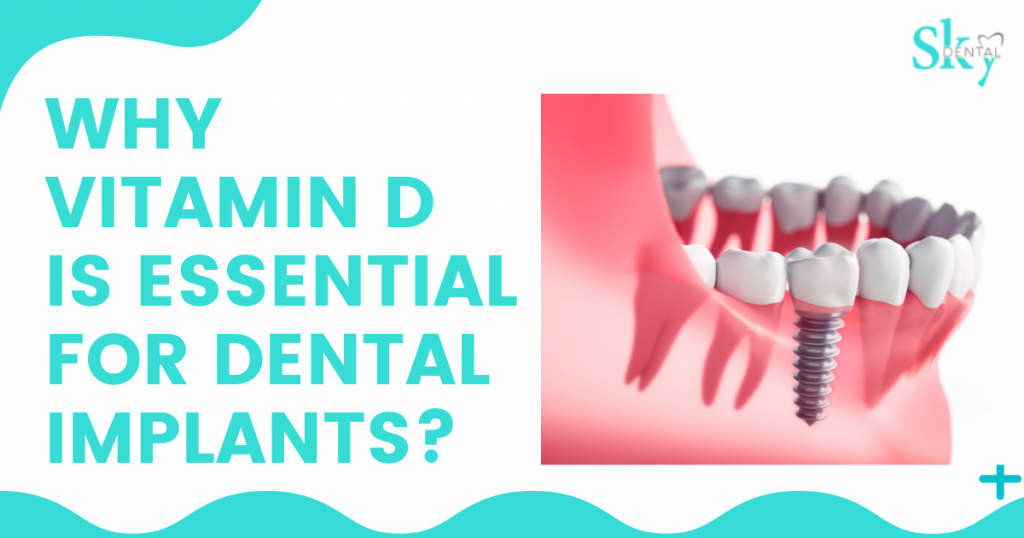
Many individuals focus on brushing twice a day and flossing once a day, as well as adhering to any other recommendations their dentist may have given them when considering how to take care of their mouth following the placement of a dental implant. While all of these are very significant and will undoubtedly contribute to better …
Why Vitamin D Is Essential For Dental Implants Read More »
Most babies start getting teeth between 6 and 10 months of age. Babies’ gums can be massaged or given a cool object to suck on to ease teething pain. Brush teeth twice a day to avoid decay, stay away from sugary meals and beverages, and avoid feeding babies to sleep with bottles. When a child’s …
Dental Care for Baby’s Teeth and Gums Read More »
Every routine for at-home dental healthcare must include flossing! Plaque, bacteria, and food particles can be removed from between teeth by flossing, where your toothbrush can’t. All dentists agree that flossing is the greatest technique to maintain healthy gum tissue and prevent gum disease. While flossing is important, there are ways to go excessive with …
HOW TEETH CAN BE DAMAGED BY FLOSSING TOO HARD Read More »
Did you know that childhood tooth decay is the most prevalent chronic illness? And by the time they enter kindergarten, 40% of kids have tooth decay. This is significant because tooth decay raises the risk of numerous future health issues, such as heart disease and early birth, in addition to the pain and infection, it can …
6 Don’ts of caring for your child’s tooth decay Read More »
Pediatric dentistry is a dentist’s specialty that deals with the treatment of dental issues in newborns and children. Pediatric dentists are qualified to provide special care and attention to children’s dental check-ups. It is critical to start providing appropriate dental care at a young age since skipping on it can lead to severe dental issues, …
Pediatric dentistry -Things to know about Read More »
Most people are aware that toothbrushes don’t have an unlimited lifespan. But the question arises how frequently should you replace your toothbrush? However, recognizing when our beloved bristles are approaching the end of their natural lifespan can be challenging. You might be surprised to learn that dentists and manufacturers recommend replacing toothbrushes every 3 to 4 …
How frequently should you replace your toothbrush Read More »
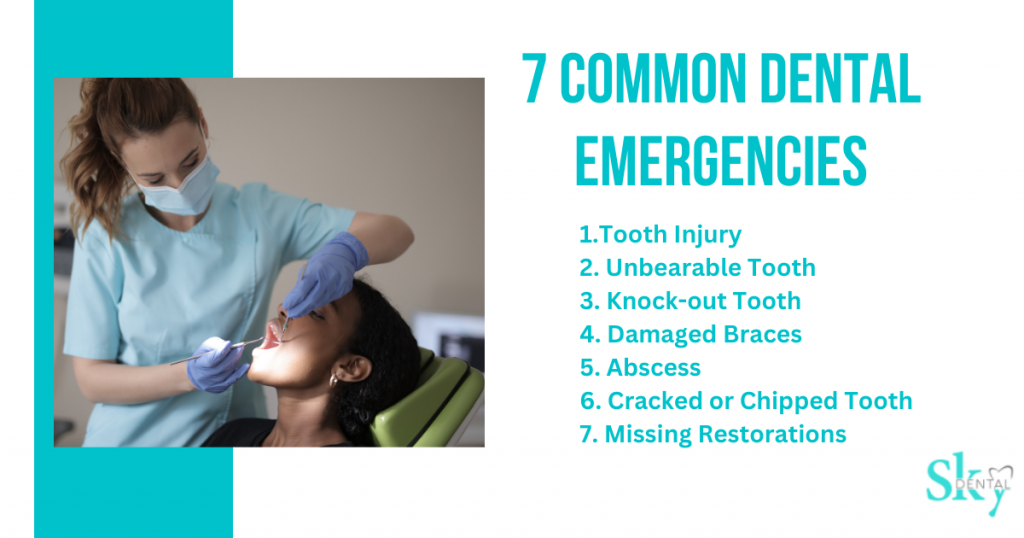
DENTAL EMERGENCY Like a medical emergency, a dental emergency needs to be treated right away. Dental emergencies could endanger your short- or long-term health, as well as make your daily living challenging or impossible. A dental emergency may result in significant pain, discomfort, bleeding, or difficulty eating or sleeping. It might also involve an infection, …
7 COMMON DENTAL EMERGENCIES Read More »