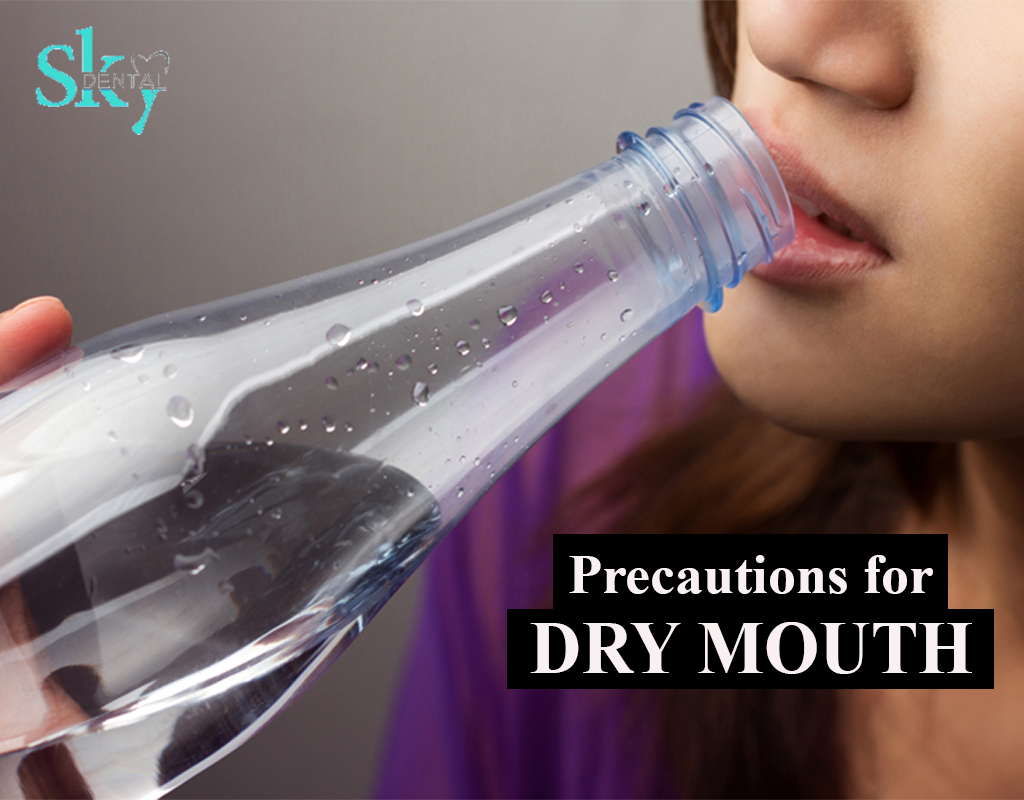
Xerostomia, a synonym for Dry mouth is a result of inadequate flow of Saliva in the mouth. Saliva is a primary thing which moistens and clean our mouth. It digests food and also prevents infection by controlling bacteria and fungi in the mouth.
Saliva helps in preventing tooth decay by neutralizing acids and limiting bacterial growth. It is the mouth’s primary defence against the tooth decay and also enhances your ability to taste. Xerostomia is also a result of medications or ageing issues.
Few common problems that are associated with the dry mouth are sore throat, burning sensation, difficulty in swallowing, trouble speaking and hoarseness. In some cases, it may also an indicator of chronic autoimmune disorder. This is a type of disease in which the body’s immune system suddenly attacks its own moisture-producing glands and salivary glands. Extensive tooth decay can also occur without saliva. Visit the dental hospital, so your dentist may recommend various methods to restore moisture.
Causes for Dry mouth
Without enough saliva, the glands may not work properly resulting in
Dry mouth can be caused due to the side effect of medical conditions including HIV, diabetes. And also anaemia, hypertension, cystic fibrosis, Parkinson’s disease, stroke and mumps.
Usage of the drugs for depression, anxiety and high blood pressure. Medications of allergies, obesity, nausea, hypertension, psychotic disorders, urinary incontinence, and asthma may also cause Dry mouth.
As age increases, many people experience dry mouth. Factors due to age may include the use of particular medications. Modifications in the body’s ability to process medication, inadequate nutrition and health problems.
Dehydration is the major cause of Xerostomia. And it causes due to fever, excessive sweating, diarrhoea, vomiting, blood loss and burns.
The damage of nerve to the head and neck area from an injury or surgery can cause Xerostomia.
Smoking or chewing tobacco and drinking alcohol can increase dry mouth symptoms.
Dry mouth symptoms
Lack of Saliva may notice these signs and symptoms.
- Stickiness or a dry feeling in the mouth
- Frequent thirst and dry feeling in the throat
- Difficulty in chewing and swallowing
- The problem in speaking or trouble tasting
- Bad breath
- Hoarseness and sore throat
These are some of the tips that help you get awareness about oral health and how to maintain it. The main objective of this article is to promote knowledge about general oral health topics. This information is not intended to replace any professional advice or treatment. Consult your dentist or dental hospital and seek the advice before you undergo any treatment
Xerostomia, a synonym for Dry mouth is a result of inadequate flow of Saliva in the mouth. Saliva is a primary thing which moistens and clean our mouth. It digests food and also prevents infection by controlling bacteria and fungi in the mouth. Saliva helps in preventing tooth decay by neutralizing acids and limiting bacterial …

Dry mouth and its causes Read More »
Do the foods you choose and eat can affect your teeth and gum health? Of course, if you consume too many sweetened sodas and sugar-filled fruit drinks, you could be at risk of tooth decay. Even though brushing and flossing daily are essential but nutrition has an immense effect on your dental health. Eating a …
Diet for Oral Health Read More »
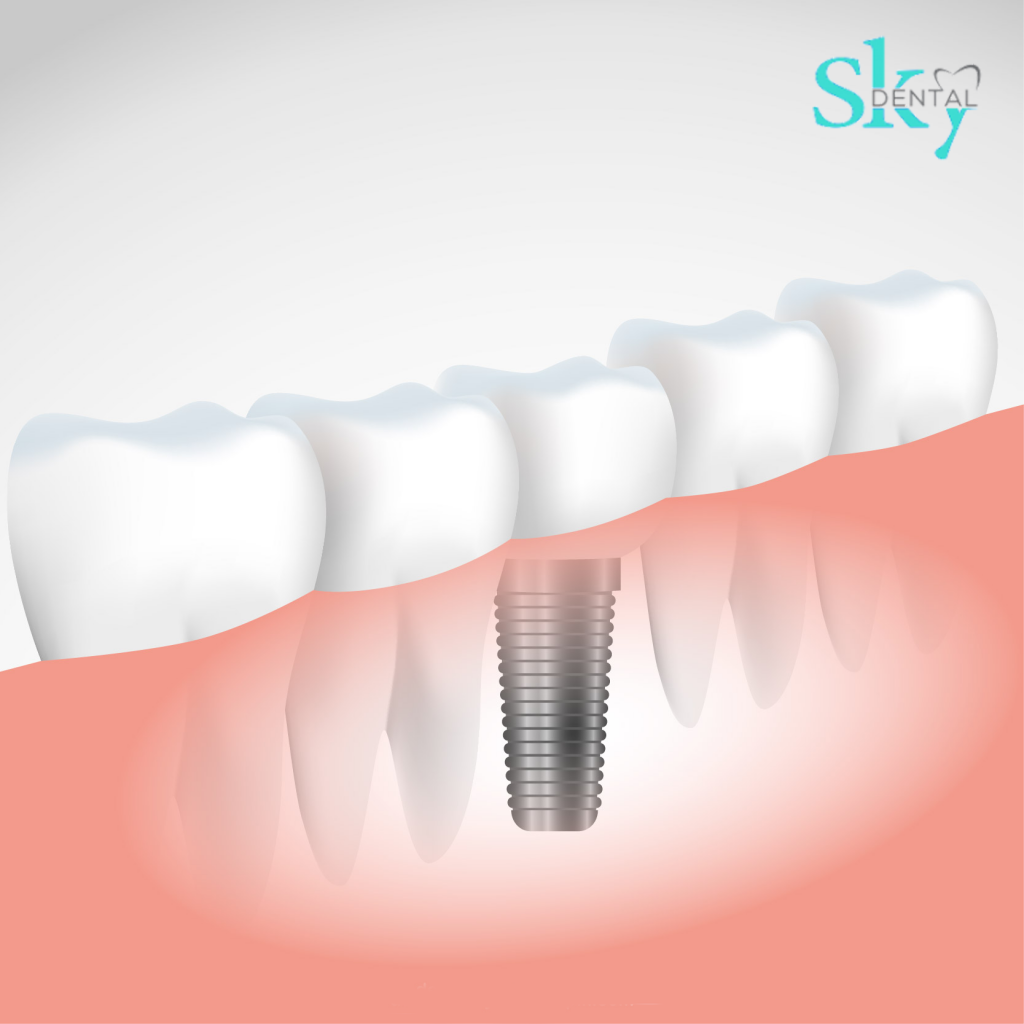
A dental implant can replace your tooth root when it fails. Dental implants are metal frames that are placed into the jawbone underneath your gums. These provide a strong foundation for permanent or temporary replacement teeth which are custom made for your natural teeth, well known as “Artificial tooth root” Are you always stuck up …
Why do you need Dental Implants? Read More »
Suffering from Bad breath? Admit it! Everyone gets irritated from it as it is one of life’s most common annoyances. Bad Breath (bad smell from the mouth), medically called halitosis can be caused by the maintenance of poor dental health habits and sometimes may be a sign of other health problems. It can also …
Tips to avoid Bad Breath Read More »
What is Tooth Sensitivity Tooth Sensitivity is nothing but Root sensitivity and it occurs when the enamel that protects our teeth gets thinner. It is a common problem that results in pain the teeth due to exposure of teeth to different temperatures. Root sensitivity has been estimated that approximately half of the population is experiencing …
Tooth Sensitivity Read More »