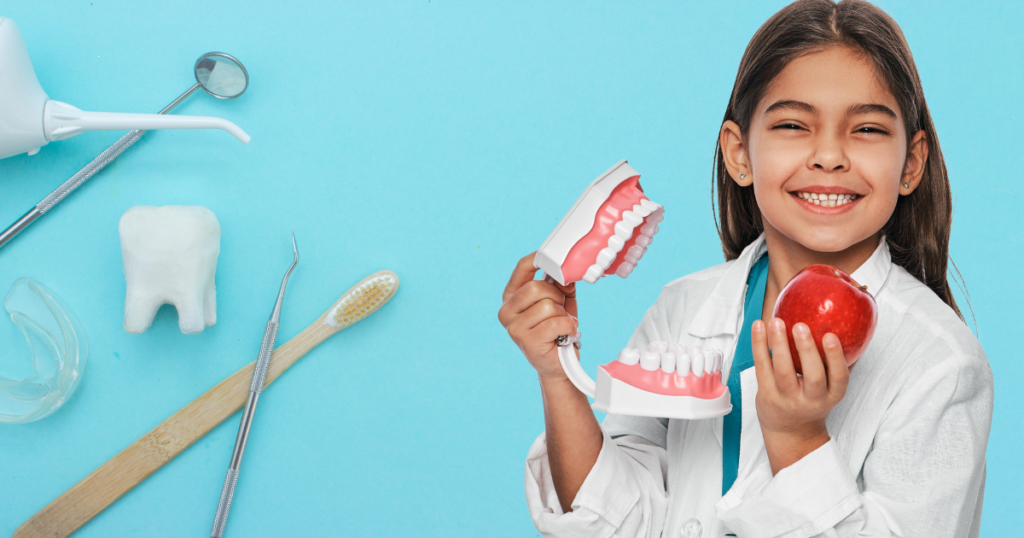
When thinking about our health, oral health is important, our mind usually jumps to the heart, lungs, or our diet, but oral health plays a strong part in your overall wellness. Oral health isn’t just for a healthy smile it allows for the prevention of a series of serious sicknesses and even for the detection of other diseases at their early stages. Your mouth is the gateway to the rest of your body. Bacteria from gum infections and tooth infections migrate into the bloodstream and cause inflammation elsewhere. Bad oral wellness has been linked by research to heart disease, diabetes, stroke, and lung infections as well.
Oral Health and Chronic Diseases
Gum disease and heart disease link has been proven in multiple medical studies. Additional complications from cardiovascular disease are likely for those suffering from gum disease due to the spread of bad bacteria and toxins. Dental health and overall wellbeing are more connected than most people realize. Oral wellness is linked with diabetes as well. High blood sugar levels may cause dry mouth and gum infections, and untreated gum infections make blood sugar control even harder. This two-sided phenomenon enlightens how tightly oral health is linked with chronic disease, so even regular oral care is that much more necessary for diabetic patients.
Oral Health and Mental Wellbeing
A poor state of oral health may affect mental health as well. Ongoing toothaches, bad breath, or even visible decay may decrease individual self-esteem and even induce withdrawal from society or cause fear. Mental health and dental issues are closely related, especially when dental problems start impacting quality of life. Untreated mouth decays may hinder children from eating, speaking, or concentrating at schools, thus deteriorating their growth and studies.
Even working parents may not be able to sustain attention at their workplaces or enjoy their everyday lives due to recurrent oral pain. Regular brushing, flossing, and dentist visits help keep your oral health up to date a simple yet very strong way to guard your body.
Conclusion Final Thoughts on Oral Health
Oral health is a key area of general good health that is not always given the attention it is due. Beyond the dazzling smile, healthy oral routines are required for the prevention of life-threatening medical consequences, including heart disease, diabetes, and infection of the lungs. The effects of poor dental hygiene extend far beyond the mouth gum disease is closely linked to chronic illnesses, emphasizing why good oral maintenance is essential. Poor oral health also impacts mental well-being, lowering self-esteem and reducing productivity. For kids, it can disrupt learning and growth for adults, it causes constant discomfort and distraction. Simple dental care tips for a healthy life include brushing, flossing, and visiting the dentist regularly. Prioritize oral care it is a gateway to a healthy body and mind.
When thinking about our health, oral health is important, our mind usually jumps to the heart, lungs, or our diet, but oral health plays a strong part in your overall wellness. Oral health isn’t just for a healthy smile it allows for the prevention of a series of serious sicknesses and even for the detection …
Importance of Oral Health Read More »
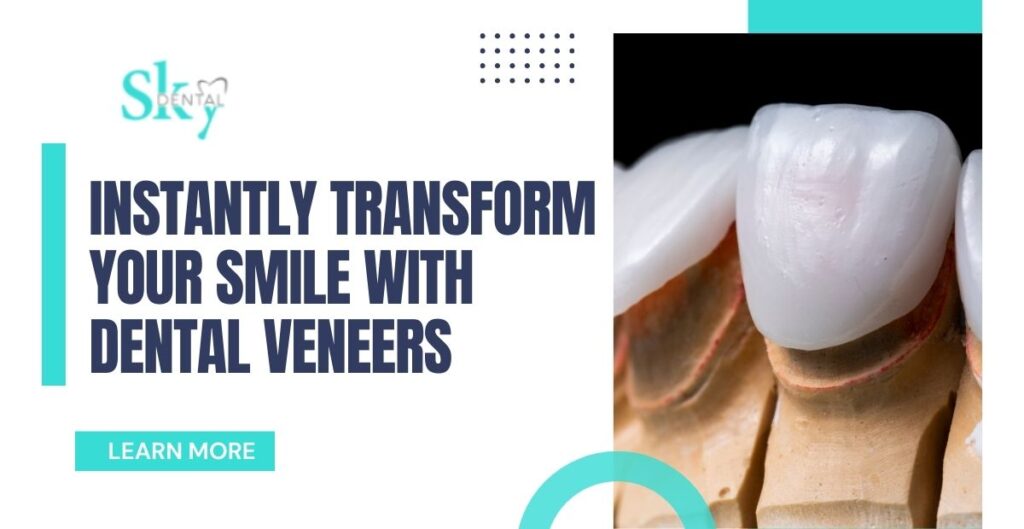
A beautiful smile has the potential to impact how confident you are, how you perceive yourself, and the manner in which others perceive you. Few are born with a flawless set of teeth, and discoloration, chipping, gapping, and unevenness can all lead to feelings of insecurity when smiling. The best part is that the makeover …
Instantly Transform Your Smile with Dental Veneers Read More »
Introduction Have you ever found yourself avoiding the dentist’s office, thinking that if you brush your teeth regularly, you don’t need those check-ups? Well, you’re not alone! Many people feel this way. But let me share a little secret: regular dental check-ups are much more important than they might seem at first glance. They are …
The Importance of Regular Dental Check-Ups Read More »
Oral health is crucial to overall well-being, yet there are many misconceptions about dental care. 10 Common Dental Myths You Need to Stop Believing continue to mislead people, often leading to poor oral hygiene and preventable dental issues. In this article, we debunk some of the most widespread myths to help you make informed decisions …
10 Common Dental Myths You Need to Stop Believing Read More »
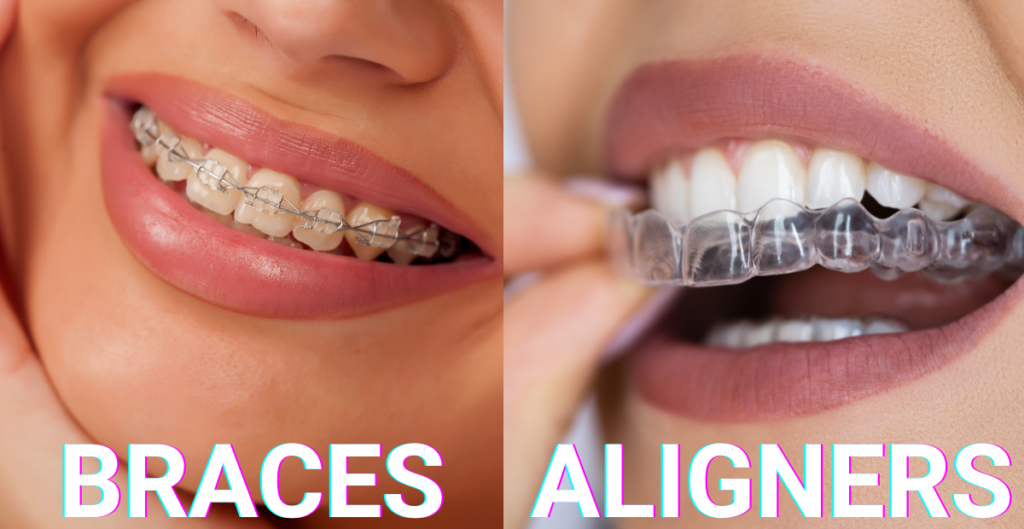
When it comes to straightening teeth and achieving a beautiful smile, two popular options stand out: braces and clear aligners. Braces vs. Clear Aligners: What’s the Best Option for You? This is a common question for anyone considering orthodontic treatment. The right choice depends on several factors, including the severity of dental issues, lifestyle preferences, …
Braces Vs. Clear Aligners: What’s The Best Option For You? Read More »
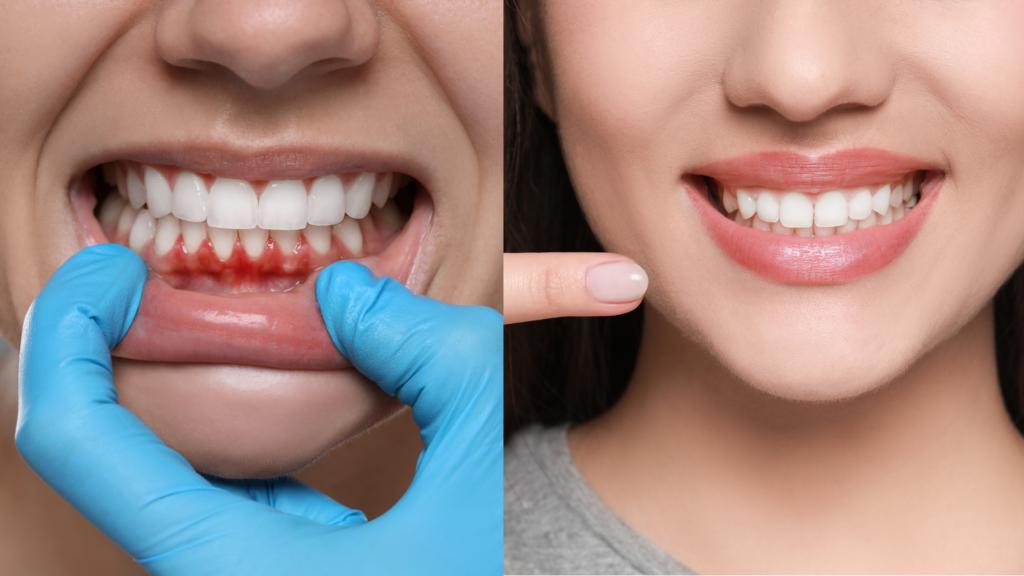
If you are looking for common signs of gum disease and how to prevent gum disease, then you are at the right place. By the end of this blog you will secure some knowledge on gum disease and how to prevent them. Firstly, you need to know about gum disease. Gum disease, also known as …
Common Signs of Gum Disease and How to Prevent Gum Disease Read More »
How to take care of your child’s teeth is important for every parent. Gum disease, cavities, and other dental problems can be avoided by maintaining healthy routines early in childhood. Strong and healthy teeth can be maintained by teaching kids how to brush and floss properly, ensure that they eat a balanced diet, and regular …
How To Take Care Of Your Child’s Teeth Read More »
Stress affects your oral health in more ways than you may think. Stress causes reactions in your body that can damage your teeth, gums, and general dental health. Stress-related behaviors can have long-term effects, such as unconscious teeth grinding and poor oral hygiene. Maintaining a healthy smile in spite of life’s stresses can be achieved …
How Stress Affects Your Oral Health and What You Can Do About It Read More »
As we age, our oral health needs change, making it essential to adopt good habits that ensure strong teeth and gums. Older adults are more prone to dental issues such as gum disease, tooth decay, dry mouth, and tooth loss. However, with proper care, seniors can maintain a healthy smile and overall well-being. Here are …
Dental Care Tips for Seniors Read More »
A Healthier Smile is not just about aesthetics; it reflects good oral health and overall well-being. Incorporating healthy habits into your daily routine can make a significant difference in maintaining strong teeth and gums. Here are ten essential habits to keep your smile radiant and healthy: 1. Brush Twice a Day Brushing your teeth twice …
10 Daily Habits for a Healthier Smile Read More »