Introduction :
Having all the teeth replaced may be a daunting task, particularly when the cost is a big issue. Most individuals seek ways to put back their smiles without straining their pockets. Luckily, contemporary dentistry has a number of cost-effective alternatives, which combine functionality, comfort, and aesthetics. Knowing these options will enable you to choose the most affordable treatment for Cheapest Option to Replace All Teeth and still have a natural and confident smile.
Traditional Full Dentures – The Most Affordable Solution :
Conventional full dentures are considered to be the least expensive method of tooth replacement. These are removable artificial teeth used on the gums to aid in the normal operation like chewing and speaking. They are tailor-made to fit into your mouth and may be easily modified with time. Although dentures are not as stable as implants, they are the most affordable. Full dentures are the best because the patient desires a functional smile at the least cost.
Partial Dentures for Selective Tooth Replacement :
Partial dentures are a Cheapest Option to Replace All Teeth individuals that have still some natural teeth. Such removable plates occupy these gaps by attaching them to the existing teeth via metal or plastic claps. Partial dentures are not a complete mouth replacement but help to save on the cost by preserving the healthy teeth. They are easy to wash, remake, or repair in case of necessity. Partial dentures are suitable to patients who want to be economical and flexible in replacing their teeth.
Implant-Supported Dentures – A More Stable but Affordable Upgrade :
Implant-supported dentures are an excellent compromise between the cost and features of traditional dentures that you might desire, but offers a more stable and durable base to take age into account. It is a technique with less implants, typically 2 to 4, to hold a denture. It is superior to chew with, more comfortable and stable than ordinary dentures. Although costlier than conventional dentures, implant-supported dentures are much cheaper than full mouth implants, and thus a cost-efficient upgrade with long-term use.
All-on-4 Dental Implants – A Cost-Effective Permanent Option :
All-on-4 dental implants make use of only four implants per arch to replace all teeth. This is less expensive than having individual implants on missing teeth. It offers a natural solution, stable, and permanent with enhanced functionality. Despite having a higher price compared to dentures, All-on-4 is a financially sound investment, with the ability to withstand time, comfort, and fewer replacements, making it an excellent choice in the end due to its combination of cost and permanence.
Factors That Affect the Total Cost of Tooth Replacement :
In determining the cheapest tooth replacement, a few factors determine the overall price. These are the materials, the place of the clinic, the complexity of your oral health situation and the cost of maintenance after follow-up. Dentures usually involve fewer visits to the dentist whereas the implants require surgery and time to heal. Talking to a dentist and acting on your budget and expectations can lead to the selection of the most cost-effective solution that can be used based on your needs.
Conclusion :
Traditional full dentures are the most cost-effective and easily available method of Cheapest Option to Replace All Teeth. Nevertheless, other solutions such as implant-supported dentures and All-on-4 implants are more stable and have a higher long-term value in case you can spend a little more. Knowing all alternatives and discussing them with a dentist, you will be able to find the best method of replacement that fits your budget and replaces your smile with confidence.
Introduction : Having all the teeth replaced may be a daunting task, particularly when the cost is a big issue. Most individuals seek ways to put back their smiles without straining their pockets. Luckily, contemporary dentistry has a number of cost-effective alternatives, which combine functionality, comfort, and aesthetics. Knowing these options will enable you to …
What Is the Cheapest Option to Replace All Teeth? Read More »
Introduction : Dental profession is constructed on scientific, exacting, and ethical principles. The Golden Rule of Dentistry is one of the principles of dentistry by which dentists conduct safe, ethical, and patient-centered treatment. This principle helps dental professionals deal with all patients impartially, respectfully, and attentively, as they wish to be treated. The knowledge of …
What Is the Golden Rule in Dentistry? Read More »
Introduction : The 2-Year Dental Rule assists dentists to ensure proper keeping of record of patients and oral changes through time. It helps identify dental issues at an early stage and plan their treatment with updated data, providing patients with a more reasonable control of their oral condition. Understanding the 2-Year Dental Rule : The …
What Is the 2-Year Dental Rule? Read More »
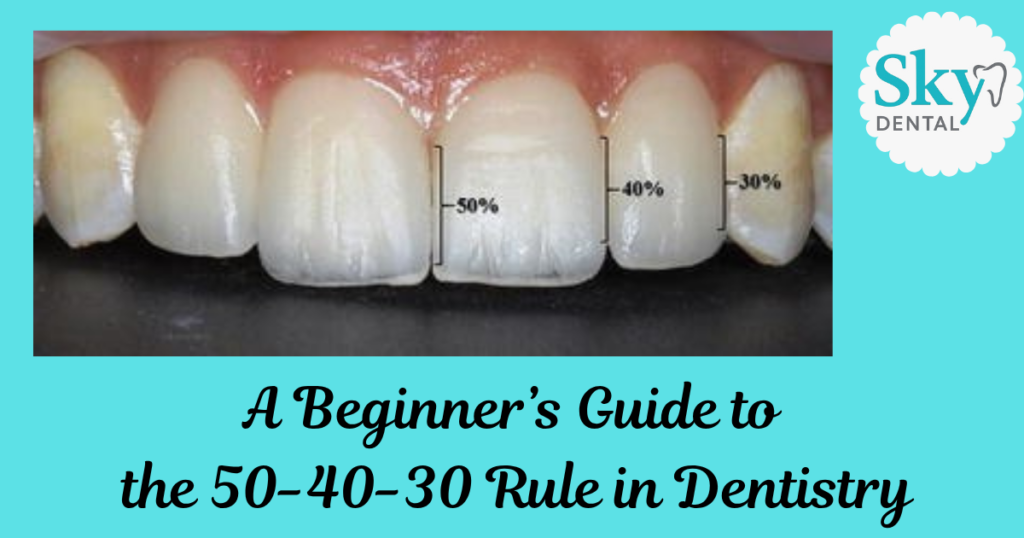
Introduction : The world of dentistry is ever evolving with new and improved ways of treating oral conditions and replacing smiles. Among them, dental implantation is one of the most secure and durable options in place of missing teeth. The cost of dental implants is also a confusing factor to many patients. Dentistry 50-40-30 rule …
A Beginner’s Guide to the 50-40-30 Rule in Dentistry Read More »
Introduction — Is getting a dental checkup painful? Many people avoid the dentist because they wonder, “Is getting a dental checkup really painful?” The truth is — in most cases, it isn’t. Modern dentistry focuses on comfort and gentle care, making your dental visits easy and stress-free. Some of them do not visit the dentist …
Dispelling Myths: Is getting a dental checkup painful? Read More »
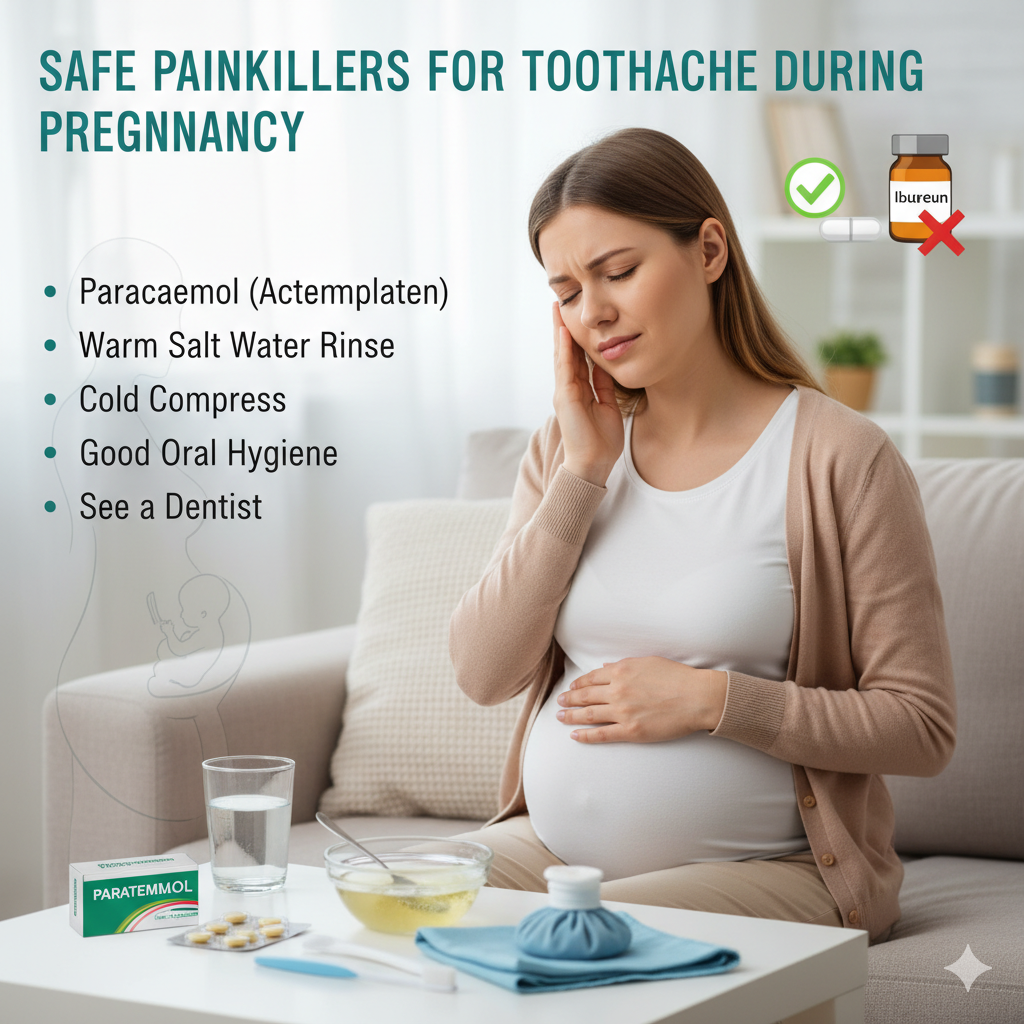
IntroductionToothache during pregnancy is very uncomfortable. But, if even every painkiller isn”t safe to use during pregnancy. Some drugs may have an impact on the developing baby, so pregnant women need to be careful when using them. Luckily, there are safe practices and effective measures that can be used to treat tooth pain without causing …
Safe Painkillers for Toothache During Pregnancy Read More »
Introduction -psychology of a smile and its importance A smile is not merely a facial expression. A smile psychology reveals the way smiling and owning good-looking teeth alter our attitude and the perception of others. A self-assured smile can uplift the spirits, enhance social life, and even work. The influence of smiling on your brain …
The Psychology of A Smile: How Teeth Make You Feel Good and Successful. Read More »