

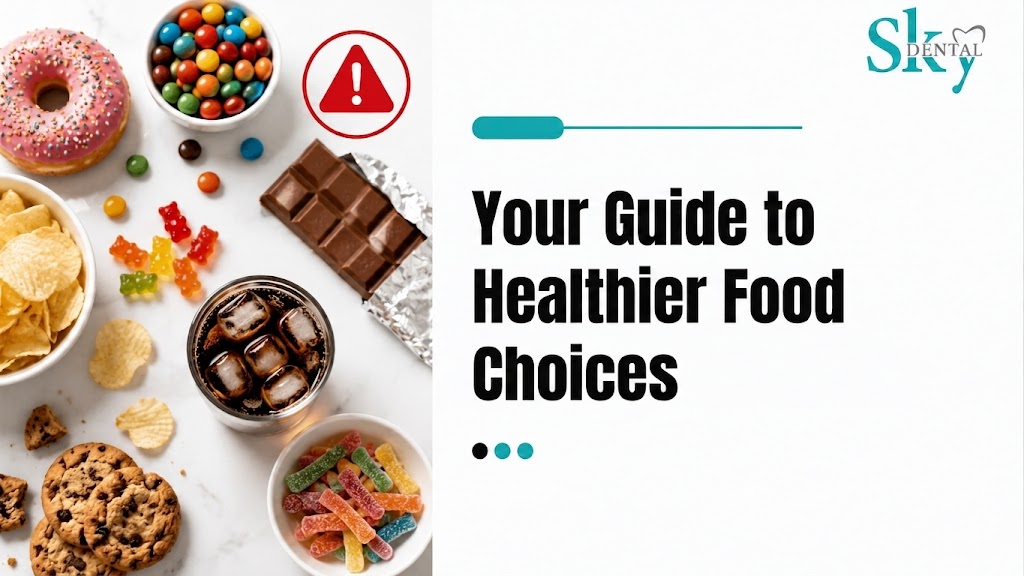
Cavities are one of the most common dental problems, and the foods you eat can play a major role in their development. While poor brushing habits can increase the risk, certain foods can create an environment in your mouth where harmful bacteria thrive. Understanding which foods that cause cavities are most likely to damage your teeth can help you make better choices and protect your oral health.
How Do Foods Cause Cavities?
Your mouth naturally contains bacteria. Some bacteria feed on carbohydrates and sugars left behind after eating. As they break down these substances, they produce acids that can gradually weaken the protective outer layer of your teeth, known as enamel.
If this process continues repeatedly, the enamel can eventually break down and form a cavity. The risk is not always determined simply by how much sugar a food contains. How long the food stays in your mouth, how often you eat it, and whether you clean your teeth afterward can also make a difference.
1. Sticky Candies and Sweets
Sticky candies are among the most problematic foods for your teeth because they can remain attached to the surfaces and grooves of your teeth for a long time.
Examples include:
- Toffees
- Caramels
- Gummy candies
- Chewy sweets
- Jellies
- Sticky chocolate products
Because these foods remain on the teeth longer than many other snacks, bacteria have more time to feed on the sugars and produce harmful acids.
2. Sugary Soft Drinks
Soft drinks can be particularly harmful because they often contain large amounts of sugar and are also acidic.
Regularly sipping sugary drinks throughout the day can repeatedly expose your teeth to sugar and acid. This gives your enamel less time to recover between acid attacks.
- Carbonated soft drinks
- Cola
- Sweetened sodas
- Energy drinks
- Sweetened sports drinks
Even sugar-free acidic drinks may contribute to enamel erosion because of their acidity.
3. Cookies, Cakes, and Pastries
Sweet baked foods often contain a combination of sugar and refined carbohydrates. Cookies, cakes, pastries, and similar foods can leave particles on and between your teeth.
- Cakes
- Cookies
- Doughnuts
- Sweet pastries
- Cupcakes
- Cream-filled baked goods
The sugar and carbohydrates in these foods can provide fuel for bacteria, increasing acid production and the risk of tooth decay.
4. Chips and Refined Starchy Snacks
Many people only associate cavities with sweets, but starchy foods can also contribute to tooth decay.
Foods such as potato chips, crackers, and other refined snacks can break down into simpler carbohydrates in the mouth. Small particles may also become trapped between teeth and in the grooves of molars.
- Potato chips
- Crackers
- Refined biscuits
- White bread
- Processed snack foods
This is why brushing and cleaning between your teeth are important even if you do not eat many sweets.
5. Dried Fruits
Dried fruits are often considered healthier than candy, but they can still be sticky and contain concentrated natural sugars.
- Raisins
- Dates
- Dried figs
- Dried mango
- Dried apricots
Because dried fruits can stick to the teeth, it is a good idea to rinse your mouth with water afterward and maintain good oral hygiene.
6. Sweetened Breakfast Cereals
Many packaged breakfast cereals contain added sugars. When eaten regularly, especially without proper dental care, they can contribute to an increased risk of cavities.
Check food labels for added sugars and consider choosing cereals with lower amounts of added sugar.
7. Sweetened Coffee and Tea
Coffee and tea themselves are not automatically harmful to teeth. However, repeatedly adding sugar, flavored syrups, or sweetened creamers can increase the amount of sugar your teeth are exposed to.
Constantly sipping sweetened drinks over several hours may be more problematic than drinking them during a meal.
8. Fruit Juices and Sweetened Drinks
Fruit juice may contain vitamins, but it can also contain natural sugars and acids. Drinking large amounts of juice or sipping it continuously throughout the day can expose your teeth to these substances repeatedly.
- Packaged fruit juices
- Sweetened fruit drinks
- Lemon drinks
- Flavored beverages
- Sweetened iced tea
Water is generally a better choice for hydration because it does not expose your teeth to sugar.
The Worst Habit: Frequent Snacking
When it comes to foods that cause cavities, frequency can be just as important as the type of food you eat.
Every time you consume sugary or carbohydrate-rich foods, bacteria can produce acids that attack the enamel. If you snack or sip sweetened drinks continuously throughout the day, your teeth may experience repeated acid exposure.
Instead of constantly snacking, try to reduce frequent sugary eating and give your mouth time between meals.
Foods That Are Better for Your Teeth
Not every snack is equally likely to contribute to cavities. Some foods are less likely to stick to teeth or contain large amounts of added sugar.
- Fresh vegetables
- Fresh fruits
- Unsweetened yogurt
- Cheese
- Nuts
- Eggs
- Water
Cheese and other dairy products can also provide nutrients such as calcium, which are important for overall dental health.
How to Eat Sugary Foods More Safely
You do not necessarily have to eliminate every sweet food from your diet. The key is to reduce frequent exposure and maintain good oral hygiene.
- Eat sugary foods less frequently.
- Avoid constantly sipping sweetened drinks.
- Drink water after eating sticky or sugary foods.
- Brush your teeth regularly with fluoride toothpaste.
- Clean between your teeth daily.
- Choose water instead of sugary drinks whenever possible.
- Visit a dentist regularly for checkups.
If you consume acidic foods or drinks, avoid immediately brushing aggressively afterward, as the enamel may temporarily be more vulnerable.
Conclusion
Understanding foods that cause cavities can help you make smarter decisions about your diet and oral hygiene. Sticky candies, sugary drinks, sweet baked goods, refined snacks, dried fruits, and frequent sugary beverages can all increase the risk of tooth decay, especially when consumed repeatedly throughout the day.
You do not need to completely avoid every sweet food, but moderation, proper brushing, fluoride toothpaste, and regular dental checkups can make a significant difference. By reducing frequent exposure to foods that cause cavities and maintaining good oral hygiene, you can help protect your teeth and reduce your risk of developing cavities.