

Introduction :
The world of dentistry is ever evolving with new and improved ways of treating oral conditions and replacing smiles. Among them, dental implantation is one of the most secure and durable options in place of missing teeth. The cost of dental implants is also a confusing factor to many patients. Dentistry 50-40-30 rule assists in explaining this by demonstrating that the professionals fairly and openly share the cost of treatment and both of them and they understand and trust the process.
1. What Is the 50-40-30 Rule in Dentistry?
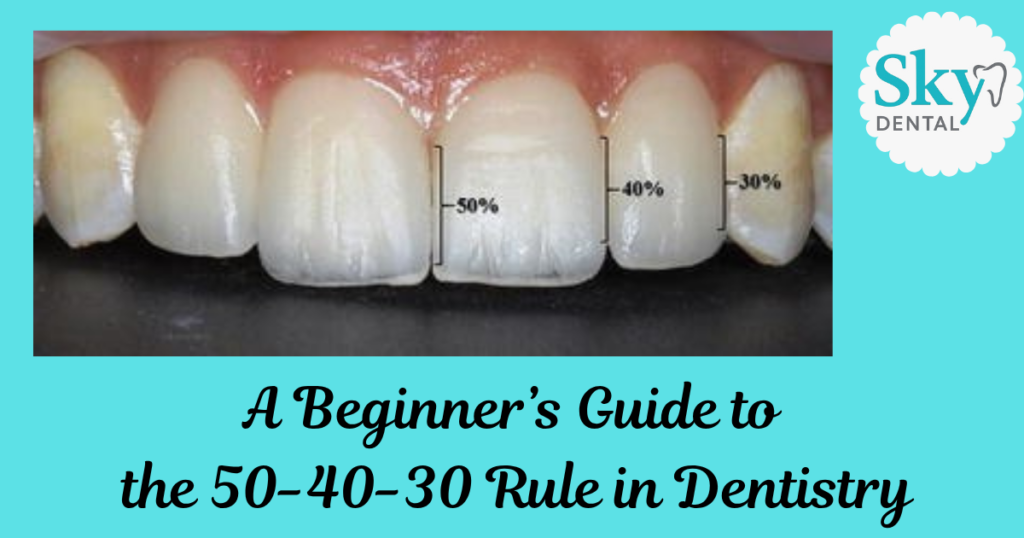
The 50-40-30 rule is a dental idea that describes the cost of treatment, particularly dental implantation. It reveals that half of it is the skill and expertise of the dentist, half is materials and lab such as implants and crowns, and a third is the overheads of the clinic including equipment, hygiene and personnel. Such a transparent system allows patients to know what to pay and quality care at each step.
2. How the Rule Applies to Dental Implantation
Expenses in dental implantation are explained using the 50-40-30 rule. Professional services, including checkups, X-rays, and the actual implant surgery process, are about 50%. Materials, including titanium implant, abutment, and laboratory-made crown are 40% and clinic operations, such as imaging, sterilization, and post-surgery care are 30%. This balance guarantees quality treatment at no extra cost.
3. Factors That Affect Dental Implant Cost
Although the rule of 50-40-30 is a general rule, dental costs may still be affected by a number of factors. They are clinic location, type of implant, experience of the dentist and oral health of the patient. Bone grafting or sinu lifts are cost-procedures, and the price can go up by using high-quality implant materials. Knowledge of these factors aids patients to make informed financial choices and make better plans.
4. Why the 50-40-30 Rule Matters for Patients
The 50-40-30 rule ensures transparency and enables patients to know how their dental bill is spent. Such transparency develops confidence and creates a balance type between quality and cost. It also underscores that good dentistry is value, rather than cost, and that professional knowledge and quality material has a direct effect on the success of dental implantation.
5. The Value of Investing in Quality Dental Care
Dental implants may appear costly, but they are an oral and confidence investment in the lifetime. Implants are more stable, durable and natural compared to dentures or braces. The 50-40-30 rule guarantees that all the money used covers quality care, safety and long-term happiness, and the patient can select the effective and cheap plan of treatment to ensure long-term dental health.
Conclusion :
The 50-40-30 rule in dentistry assists the patients in realizing the real price of treatment, breaking down the costs into professional expertise, materials, and clinic functions. It fosters justice and openness, enabling the patients to make wise decisions and have confidence in their care. Dental implantation or any other procedure, it is a good investment in your future and your smile to invest in a healthy and more confident one.