If your tooth is badly infected or damaged, your dentist will usually recommend one of two options: save the tooth with a root canal or remove it completely through tooth extraction. Many people feel confused or frightened when they hear these terms. These root canal vs tooth extraction choices can feel overwhelming, but understanding them helps you make the best decision for your dental health. Learning about root canal vs tooth extraction will give you peace of mind and protect your smile.
What Is a Root Canal?
Inside every tooth, there is a soft area called the pulp. When bacteria enter this area, it causes severe pain and infection.
A root canal procedure is done to:
- Remove the infected pulp from inside the tooth
- Clean the inside of the tooth
- Fill and seal the tooth
- Strengthen the tooth with a crown
The main goal of this process is to save your natural tooth. Many people believe that root canals are very painful. In reality, the treatment removes the infection and relieves the pain caused by it.
What Is Tooth Extraction?
Tooth extraction means completely removing the tooth from your mouth. The procedure is usually quick and simple. After the damaged tooth is removed, the empty socket is allowed to heal.
However, once the tooth is gone, there will be an empty space. This space can lead to problems such as:
- Difficulty chewing – Eating becomes harder when a tooth is missing.
- Movement of nearby teeth – Other teeth may slowly shift into the empty space.
- Weakened bone structure – The jawbone in that area may weaken over time due to lack of stimulation.
Because of this, dentists often recommend replacing the removed tooth with:
- Dental implants
- Dental bridges
- Dentures
Which Costs Less?
In the short term, extraction usually costs less. However, if you later need to replace the tooth with an implant, bridge, or denture, the total cost can become higher than the cost of a root canal.
A root canal may have a higher upfront cost, but it can save you money in the long run because it preserves your natural tooth.
Which Is More Painful?
Both procedures are done under anesthesia, so you should not feel pain during treatment. After the procedure:
- A root canal may cause mild tenderness for a few days.
- An extraction may cause swelling and take a few weeks to fully heal.
Most patients say that the pain from the infection was much worse than the discomfort after treatment.
Final Thoughts
Whenever possible, saving your natural tooth with a root canal is usually the better option. It keeps your smile natural, maintains proper chewing, and protects your jawbone. Extraction is recommended only when the tooth cannot be saved. By understanding root canal vs tooth extraction, you can make the right choice for your dental health and keep your smile strong.
If your tooth is badly infected or damaged, your dentist will usually recommend one of two options: save the tooth with a root canal or remove it completely through tooth extraction. Many people feel confused or frightened when they hear these terms. These root canal vs tooth extraction choices can feel overwhelming, but understanding them …
Root canal vs Tooth extraction: A Complete Guide Read More »
Taking care of your teeth doesn’t have to be complicated or expensive. Good habits make a huge difference, and most of them just take a few minutes every day. These simple dental hacks can help you maintain a healthy smile and protect your teeth in the long run. Stick with these dental hacks and your …
Top Dental Hacks for Healthy Teeth | Easy Tips for Everyday Care Read More »
Most people brush their teeth every day and try to floss when they remember. Among these people a very common question is making rounds, can brushing and flossing remove tartar? The short and honest answer is no, but they play a very important role in stopping tartar from forming in the first place. What Exactly …
Can Brushing and Flossing Remove Tartar? Read More »
Introduction : Sensitivity of the teeth is a fairly widespread issue that may appear in individuals regardless of their age. It can also result in auctionary pain or discomfort when swallowing hot, cold, sweet or acidic food or drink. Cold or brushing can also causes. The discomfort occurs when the protection enamel and dentin surfaces …
What Are Some Common Causes of Sensitive Teeth? Read More »
Introduction : It is not known by many parents that the Child’s First Dental Checkup begins at an early stage. To the construction of healthy teeth and gums starts at infants, even the first tooth appears. Preventing cavities through early dental care not only prevents diseases, but also advance good habits that will continue to …
What Is the Best Time for My Child’s First Dental Checkup? Read More »
Introduction : Oral health is significant in the overall health and in the daily confidence. Common preventable diseases include tooth decay, gingivitis and other dental issues. The need to ensure regular dental care is underestimated by many individuals until the pain or discomfort sets in. Bad oral hygiene may cause cavities, gum disease, bad breaths, …
How Do I Prevent Tooth Decay, Gingivitis, and Other Problems? Read More »
Introduction : The frequency of dental checkups is one of the most frequent questions that people of all ages often ask. Dental health is an important part of general health, and people neglect visiting the dentist regularly. Regularly visiting dentists prevents dental issues until they turn to be painful and expensive.. Going to a dentist …
How Often Should You Get Dental Checkups? Read More »
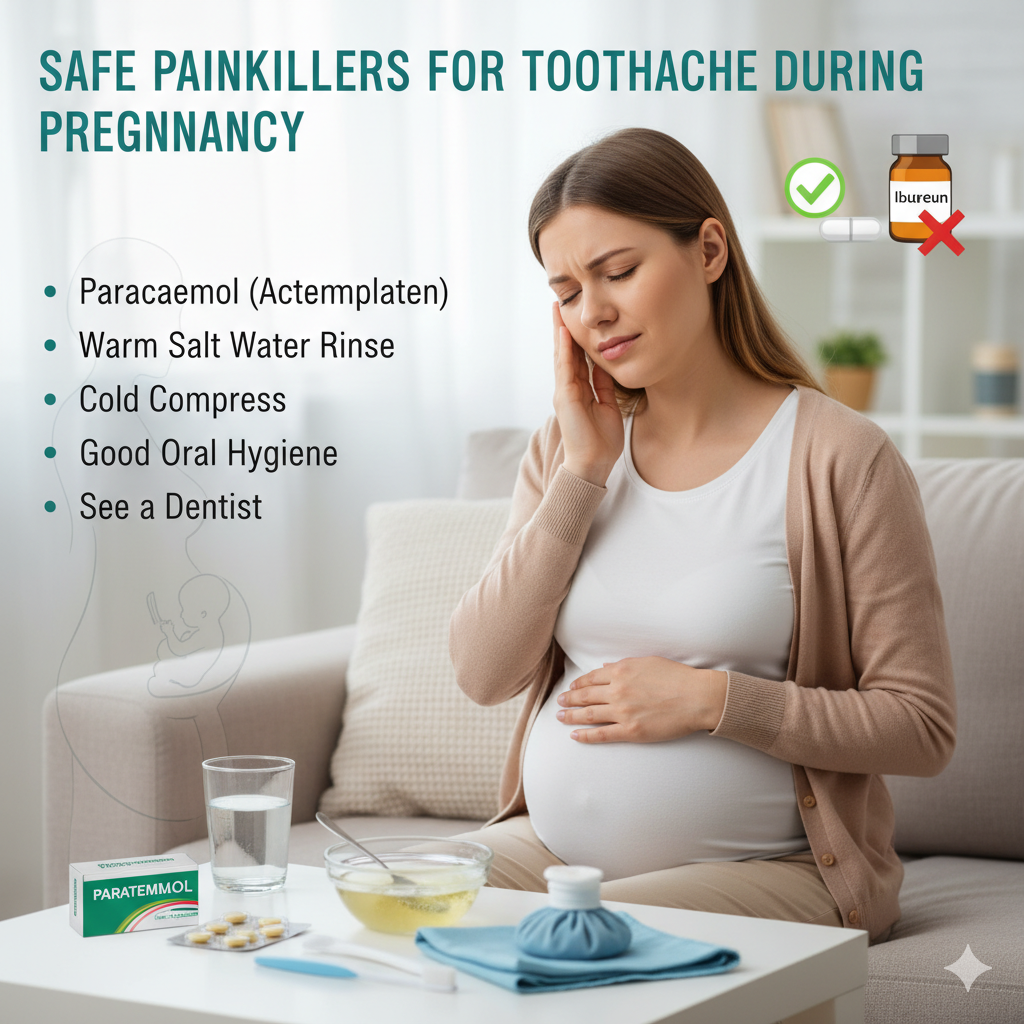
IntroductionToothache during pregnancy is very uncomfortable. But, if even every painkiller isn”t safe to use during pregnancy. Some drugs may have an impact on the developing baby, so pregnant women need to be careful when using them. Luckily, there are safe practices and effective measures that can be used to treat tooth pain without causing …
Safe Painkillers for Toothache During Pregnancy Read More »
City water fluoridation is a public health measure that has been implemented worldwide to reduce dental decay. Numerous studies have shown that fluoridation impacts dental decay rates significantly, leading to improved oral health in communities. Source: CDC The Science Behind Fluoridation Fluoride is a naturally occurring mineral that helps prevent tooth decay by making teeth …
How City Water Fluoridation Impacts Dental Decay Rates Read More »
If you’re using clear aligners to straighten your teeth, you might be familiar with the small metal buttons—called auxiliaries—that help guide your teeth into the correct position. Traditionally, these buttons are attached using special dental adhesives. While effective, this method can be time-consuming and sometimes tricky for both dentists and patients. Recently, researchers have developed …
No-Glue Attachments: A Game-Changer for Clear Aligners Read More »