Introduction :
It is not known by many parents that the Child’s First Dental Checkup begins at an early stage. To the construction of healthy teeth and gums starts at infants, even the first tooth appears. Preventing cavities through early dental care not only prevents diseases, but also advance good habits that will continue to be good throughout life. The question that parents will tend to pose is, when do I take my child to the dentist? Being aware of the correct time and the significance of the early check-up can safeguard the smile of your child as well as his general wellness.
1. Ideal Age for a Child’s First Dental Visit :
Dental professionals suggest that the first visit to the dentist should be done when the child is at least a year old or six months old or when the first tooth is breaking out. One of the benefits of an early visit is that the dentist can keep track of the formation of the teeth and identify any complications at an early stage. Making an appointment at this age will provide an opportunity to be sure that baby teeth develop correctly and remain healthy.
2. Importance of Early Pediatric Dental Care :
Regular visits to a dentist at an early age play a crucial role in preventing tooth decay which is among the most prevalent among children. Pediatric dentists educate parents on proper brushing, eating well, and keeping a check on eating sweet snacks. They also assist in the identification of habits that could interfere with the development of the jaw like thumb-sucking or pacifier use.
3. What Happens During the First Dental Checkup :
The initial dental visit is usually brief, non aggressive and direct. The dentist examines the mouth, the gums and the teeth of the child to ensure they are growing properly. A light cleaning and fluoride treatment can be carried out where necessary. Parents received information regard teething, brushing, and daily oral hygiene. The visit allows the child to feel comfortable in the dentist environment and the experience is relaxing and welcoming.
4. Benefits of Scheduling Dental Visits at an Early Stage :
Early dental treatment will support children in developing a positive attitude towards dental treatment. This will make children less nervous when they visit a dentist in case they practice it at a very early age on a regular basis. Frequent check-ups also lower the chances of cavity, periodontal infections, as well as expensive treatments in the future. Frequent examinations in the long run will help in oral hygiene and promote self-confidence.
5. Common Myths About Children’s Dental Checkups :
Most parents believe that there is no need of taking their kids to dentists before they get their permanent teeth. However, baby teeth are essential in chewing, pronunciation, and advising permanent teeth to occupy the proper places. Failure to take early dental care may lead to pain, dental infections and dental problems in the long run. This knowledge about these myths will enable parents to make more informed decisions regarding the health of their child.
Conclusion :
The Child’s First Dental Checkup should be at the age of one or at the earliest opportunity after the onset of the first tooth. Early dentists prevent tooth issues, favour healthy development as well as lifelong brushing routines. By adopting a proactive stance parents can ensure a healthy smile and positive experience by the child at the very beginning. The secret to healthy strong teeth is regular visits to dental clinics (along with good oral care at home).
Source :
- Stanford Children’s Health
Introduction : It is not known by many parents that the Child’s First Dental Checkup begins at an early stage. To the construction of healthy teeth and gums starts at infants, even the first tooth appears. Preventing cavities through early dental care not only prevents diseases, but also advance good habits that will continue to …
What Is the Best Time for My Child’s First Dental Checkup? Read More »
Introduction : Oral health is fundamental to general health, and it is something that most individuals fail to take seriously. There is a general shift towards the use of natural and herbal products among the populace within the personal care sector in recent years. Ayurvedic toothpaste is one of those products attached to its growing …
Is Using Ayurvedic Toothpaste Good for Health? Read More »
Introduction : Dental pain is a frightening experience, particularly when it is chronic or acute. Root canal treatment (RCT) is one of the most frequently employed methods of alleviating deep tooth pains. The term is painful to many people and learning the warning signs can ensure that you get timely treatment and save your natural …
How to Know If You Need a Root Canal Treatment? Read More »
Introduction : Oral health is significant in the overall health and in the daily confidence. Common preventable diseases include tooth decay, gingivitis and other dental issues. The need to ensure regular dental care is underestimated by many individuals until the pain or discomfort sets in. Bad oral hygiene may cause cavities, gum disease, bad breaths, …
How Do I Prevent Tooth Decay, Gingivitis, and Other Problems? Read More »
Introduction : The frequency of dental checkups is one of the most frequent questions that people of all ages often ask. Dental health is an important part of general health, and people neglect visiting the dentist regularly. Regularly visiting dentists prevents dental issues until they turn to be painful and expensive.. Going to a dentist …
How Often Should You Get Dental Checkups? Read More »
Introduction : The decision between an implant and a bridge may be confusing to many individuals. The two are effective and safe in replacing missing teeth. Both approaches have their own benefits and provisions to various dental requirements. These differences would allow patients to make the correct choice on the type of treatment to take. …
Which Is Better, Implant or Bridge? Read More »
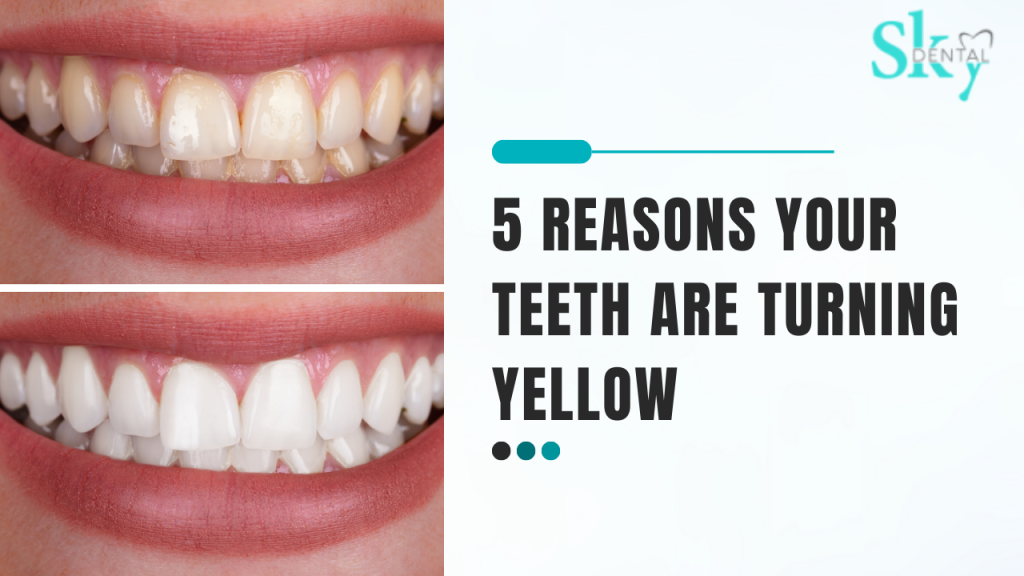
Introduction : Your appearance and self-esteem may be affected by the appearance teeth are turning yellow in your life on a daily basis. The habit that accumulates on your teeth is quite a number. Knowing why will cause you to clean your mouth better. Small lifestyle to modify then prevent to unnecessary mark. We will …
5 Reasons Your Teeth Are Turning Yellow Read More »
Introduction : Emergency dentistry can be sudden and very painful that one must take immediate action before the situation becomes worse. Failure to hear the dental pain or obvious damages may lead to infection, loss of teeth or your general health. Being aware of the warnings signs will be able to save your smile by …
4 Signs You Need Emergency Dentistry Now Read More »
Introduction : If you brush your teeth twice in a day is one of the good habit to maintain good oral hygiene neats. Their many people skip morning or night brushing due to tiredness. They are not brushing your teeth regularly may harmless in one or two days, but overall time to convey serious dental …
What Happens If You Don’t Brush Your Teeth Twice a Day? Read More »
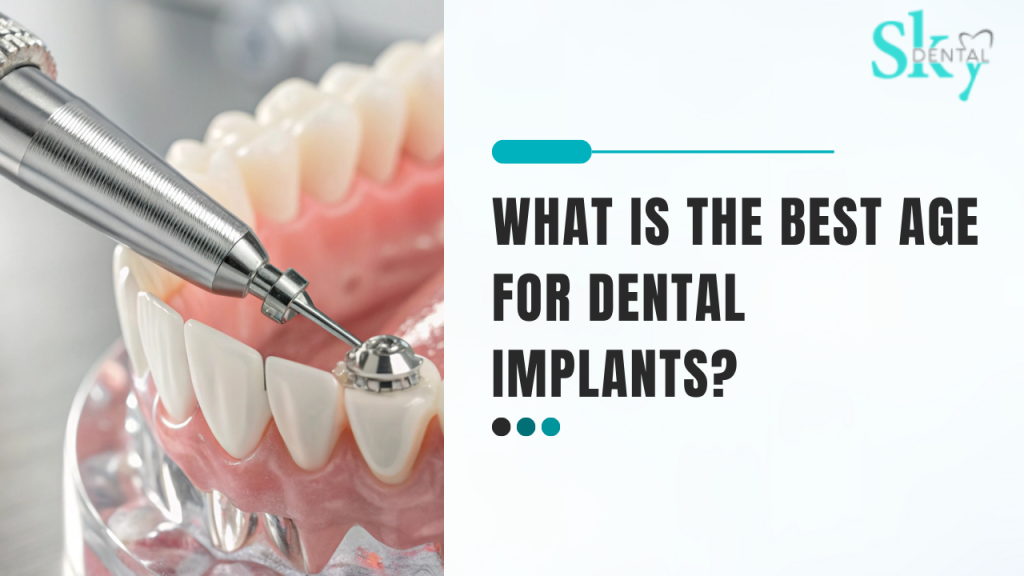
Many people lose a tooth because of accidents, cavities, or gum problems. When this happens, dentists sometimes suggest dental implants. An implant is like a strong, artificial tooth that looks and works just like a real one. Many people also search online to know the best age for dental implants, especially when planning long-term dental …
What is the best age for dental implants? Read More »