Tooth decay, also called cavities, is one of the most common dental problems in both children and adults. Tooth decay happens when your teeth slowly get damaged because of bacteria, food particles, and poor oral hygiene. If not treated on time, it can cause pain, infection, and even tooth loss.
What Causes Tooth Decay?
Your mouth naturally contains bacteria. When you eat sugary or starchy foods like chocolates, biscuits, chips, soft drinks, or even white bread, these bacteria feed on the leftover food particles. As they digest the sugar, they produce acid.
This acid attacks the outer layer of your tooth called enamel. Over time, continuous acid attacks weaken the enamel and create tiny holes. These holes are what we call cavities.
If the cavity is not treated, the decay can go deeper into the tooth, reaching the inner layers and causing severe pain and infection.
Signs of Tooth Decay
In the early stage, tooth decay may not cause any pain. That is why regular dental check-ups are important. As it progresses, you may notice issues like:
- Tooth sensitivity when you eat hot, cold, or sweet foods
- Mild to severe toothache
- Visible holes or black or brown spots on teeth
- Pain while chewing
- Bad breath
If you experience any of these symptoms, it is better to visit a dentist as early as possible.
How to Prevent Tooth Decay
The good news is that tooth decay is largely preventable. Here are a few steps you can follow.
1. Brush Twice a Day
Brush your teeth in the morning and before going to bed using fluoride toothpaste. Fluoride helps strengthen enamel and protects teeth from acid attacks. Make sure you brush for at least two minutes and clean all sides of your teeth.
2. Floss Daily
Brushing alone cannot remove food stuck between your teeth. Flossing once a day helps remove plaque and food particles from hard-to-reach areas, reducing the risk of cavities.
3. Reduce Sugary Foods and Drinks
Try to limit sweets, chocolates, cakes, soft drinks, and packaged juices. If you do consume them, rinse your mouth with water afterward. Avoid sipping sugary drinks frequently, as constant exposure increases the risk of decay.
4. Drink Plenty of Water
Water helps wash away food particles and keeps your mouth clean. Drinking water after meals is a simple but effective habit.
5. Visit Your Dentist Regularly
Regular dental check-ups, usually every six months, help detect cavities early. Professional cleaning removes plaque and tartar buildup that cannot be removed by brushing alone.
6. Consider Dental Sealants or Fluoride Treatments
For children and people who are prone to cavities, dentists may recommend sealants or fluoride treatments to provide extra protection.
Final Thoughts
Tooth decay may start small, but it can become a big problem if ignored. The key to prevention is maintaining good oral hygiene, eating a balanced diet, and visiting your dentist regularly. A few simple daily habits can protect your smile for a lifetime.
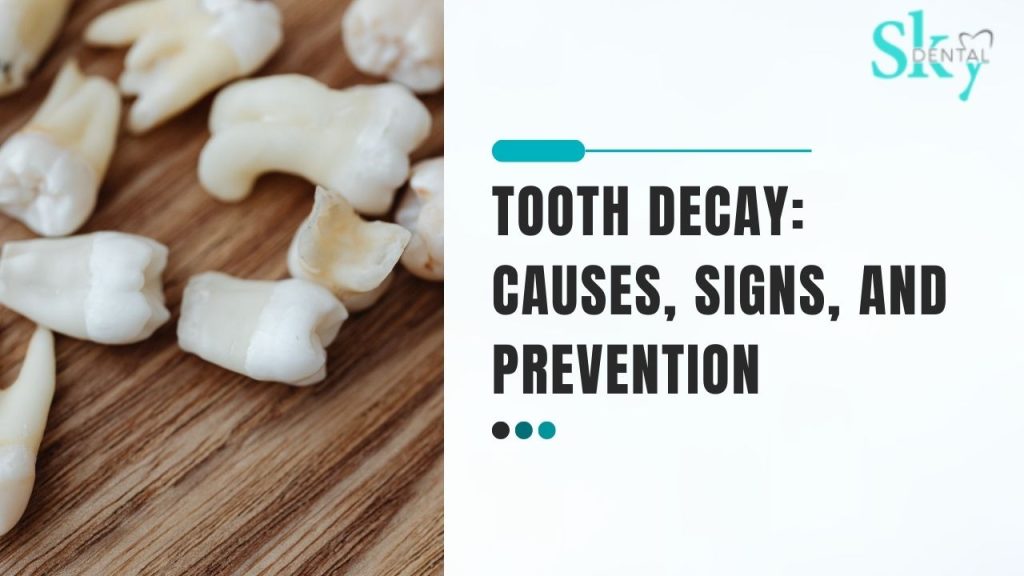
Tooth decay, also called cavities, is one of the most common dental problems in both children and adults. Tooth decay happens when your teeth slowly get damaged because of bacteria, food particles, and poor oral hygiene. If not treated on time, it can cause pain, infection, and even tooth loss. What Causes Tooth Decay? Your …
What is tooth decay and how to prevent it? Read More »
If your tooth is badly infected or damaged, your dentist will usually recommend one of two options: save the tooth with a root canal or remove it completely through tooth extraction. Many people feel confused or frightened when they hear these terms. These root canal vs tooth extraction choices can feel overwhelming, but understanding them …
Root canal vs Tooth extraction: A Complete Guide Read More »
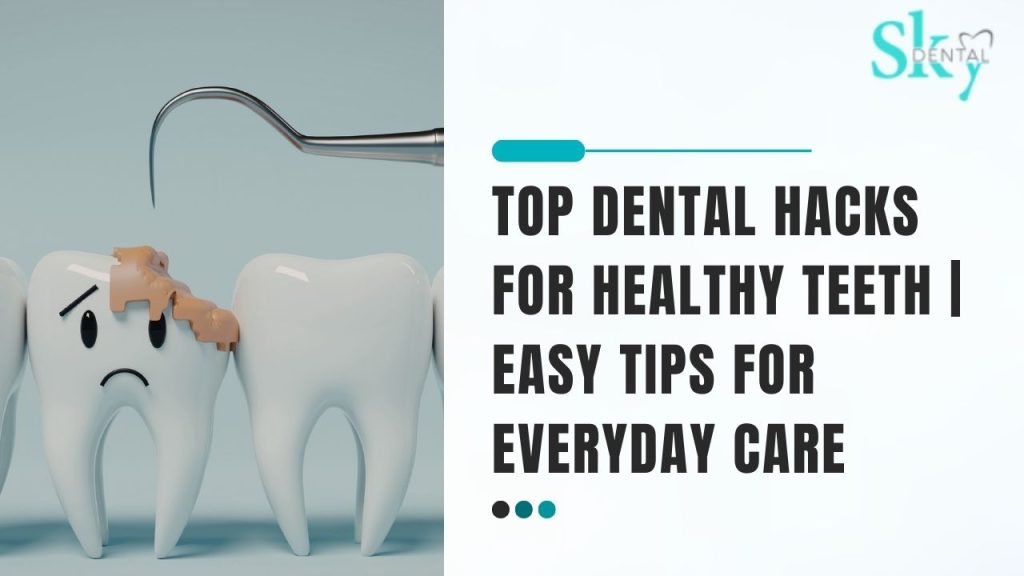
Taking care of your teeth doesn’t have to be complicated or expensive. Good habits make a huge difference, and most of them just take a few minutes every day. These simple dental hacks can help you maintain a healthy smile and protect your teeth in the long run. Stick with these dental hacks and your …
Top Dental Hacks for Healthy Teeth | Easy Tips for Everyday Care Read More »
Brushing your teeth is very important. It keeps your teeth clean and healthy. But many people do not know why it helps to rinse first. If you wash your mouth before brushing it can make brushing much more effective. It is a simple step that can help your teeth stay strong and healthy. Food Sticks …
Why You Should Wash Your Mouth Before Brushing Read More »
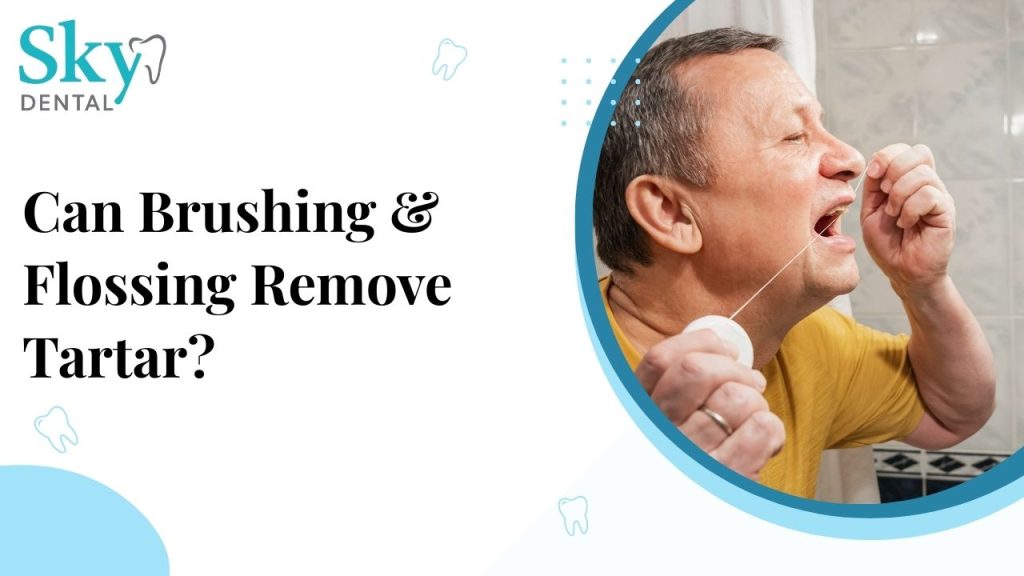
Most people brush their teeth every day and try to floss when they remember. Among these people a very common question is making rounds, can brushing and flossing remove tartar? The short and honest answer is no, but they play a very important role in stopping tartar from forming in the first place. What Exactly …
Can Brushing and Flossing Remove Tartar? Read More »
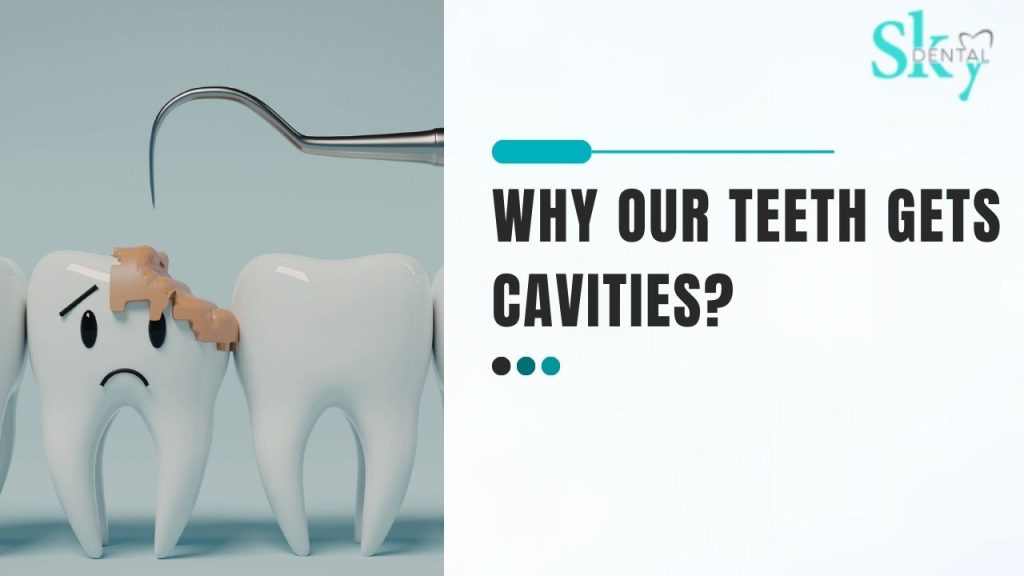
Cavities are holes that form in our teeth when germs, called bacteria, eat the sugar from the food we eat. These germs make acid that slowly damages the teeth and creates cavities. Everyone, from children to adults, can get them if their teeth are not protected. Why Our Teeth Gets Cavities Many people wonder why …
Why our teeth gets cavities? Read More »
Bad breath is not always caused by food or poor brushing habits. In many cases, bad breath is an early warning sign of periodontal gum disease. When gums are unhealthy, bacteria build up below the gum line. These bacteria release foul smelling gases, which cause bad breath to become strong and noticeable. If you have …
Bad Breath Is Often a Warning Sign of Gum Disease Read More »
Introduction : Arginine and cavity prevention has gained attention after a recent study involving dental patients found that arginine, a natural substance found in our saliva and food, can change how dental plaque forms and help reduce cavities. This research gives new insight into how the mouth’s natural defenses can be strengthened to protect teeth. …
Arginine and Cavity Prevention: A Natural Way to Reduce Acid Damage Read More »
Introduction : The most prevalent and successful method of correcting teeth is a dental crown. It defends, enriches, and enhances the appearance of a broken tooth. A crown is used to help a tooth that is broken, decayed, discoloured, or even had a root canal to help strengthen it and achieve its functionality again. The …
What Is a Dental Crown? Read More »
Introduction : Sensitivity of the teeth is a fairly widespread issue that may appear in individuals regardless of their age. It can also result in auctionary pain or discomfort when swallowing hot, cold, sweet or acidic food or drink. Cold or brushing can also causes. The discomfort occurs when the protection enamel and dentin surfaces …
What Are Some Common Causes of Sensitive Teeth? Read More »