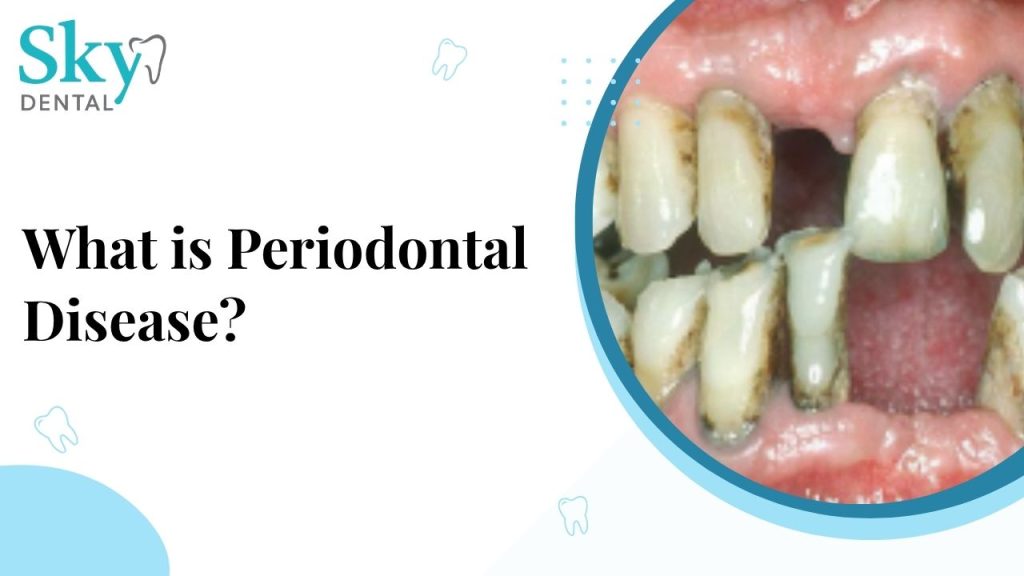
Periodontal disease, or gum disease, is an advanced gum infection that damages the gum tissue and bone supporting the teeth. It usually starts with gingivitis, which causes red, swollen gums that bleed easily. If not treated, it can lead to loose or lost teeth.
How to Prevent Periodontal Disease
1. Properly Brush Your Teeth Each Day
- Use a soft-bristle toothbrush
- Brush for at least 2 minutes
- Use gentle circular motions
- Focus on the gum line
2. Brush and Clean Between Teeth Daily
- Brush at least twice a day to avoid periodontal disease
- Use dental floss or interdental brushes
- Removes hidden plaque and food particles
- Prevents gum infections between teeth
3. Use an Antibacterial Mouthwash
- Helps kill bacteria
- Supports healthy gums
- Use along with brushing and flossing
4. Follow a Gum-Friendly Diet
- Eat fruits and vegetables
- Include calcium-rich foods
- Drink plenty of water
- Limit sugar and sticky foods
5. Avoid Tobacco Products
- Weakens the immune system
- Slows gum healing
- Increases risk of severe gum disease
6. Visit Your Dentist Regularly
- Get a checkup every 6 months
- Professional cleaning removes tartar
- Helps detect problems early
7. Watch for Early Signs
Summary
periodontal disease disease is simple with daily care. Brush and floss regularly, eat healthy, avoid tobacco, and visit your dentist often. Good habits will help keep your gums strong and healthy.
Periodontal disease, or gum disease, is an advanced gum infection that damages the gum tissue and bone supporting the teeth. It usually starts with gingivitis, which causes red, swollen gums that bleed easily. If not treated, it can lead to loose or lost teeth. How to Prevent Periodontal Disease 1. Properly Brush Your Teeth Each …
What is Periodontal Disease? Read More »
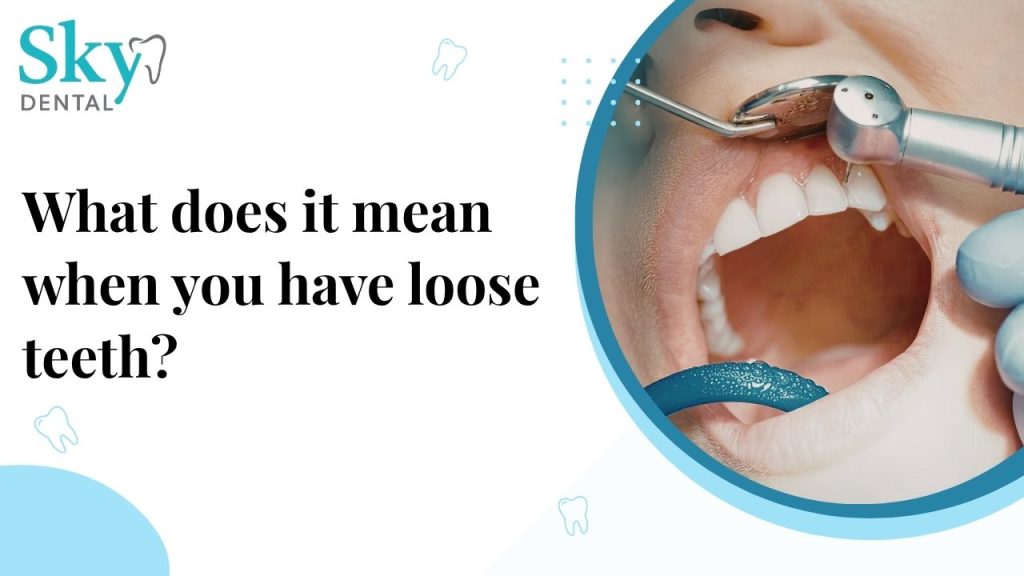
Loose teeth among adults is not a natural event; it usually indicates some underlying issue. Teeth are supported by gums and the bone underneath. If either weakens, teeth may become loose. Common Causes of Loose Teeth 1. Gum Disease (Periodontitis) Most common cause of loose teeth Infection damages gums and bone Gums recede and pull …
What does it mean when you have loose teeth? Read More »